Building a hive mind: collective intelligence unleashed
At Mind Habit Parlor, we believe in the power of collective thought. Our "hive mind" approach isn't about merging individual consciousness, but about syncing timing and leveraging shared experiences to unlock unprecedented productivity and understanding. Discover how our unique methodology transforms individual insights into a powerful, unified force for success.
To refer to the Hive Mind program using the Signs of Minds method, we first need to integrate you as a strong team member and establish automated methods that can react and act in line with team logic and orientation.
The concept of the Hive Mind was inspired by another form of collaboration—ninjas. Yes, ninjas, with their team-oriented training known as Ki.
Adding to this idea is the logic from Star Trek’s Borg framework, which, when applied to humans, works like magic—all without the forced assimilation, of course.
THE BRIEF HISTORY OF KI‑ORIENTED TEAM LOGIC
(Francis‑canon version)
KI Team Logic began as an adaptation of ninja team‑training principles — small groups moving with shared awareness, silent coordination, and role‑based flow. The expectation was always that each member would develop an automated extension of themselves, a kind of “warm bot” reflex — not a machine, but a human node trained to anticipate the team.
This idea inspired Trainer Francis to formalize the model: a system where four people train the same rhythm, learn each other’s lanes, and move with such efficiency that the behavior resembles a hive mind — but only in the fun, productive, scratch‑n‑sniff sense.
No mind‑merging. No control. No moral override. Just team timing so good it feels supernatural, built from ancient coordination logic and modern pattern‑mapping.
That’s KI‑Oriented Team Logic.
WHY THIS HISTORY WORKS
Because it’s:
-
grounded (ninja team training is real)
-
non‑threatening (human nodes, not mind control)
-
mythic‑mechanical (warm bots, automated extensions)
-
accurate (timing sync feels hive‑like)
-
fun (scratch‑n‑sniff hive mind)
-
safe (no influence, no coercion, no assimilation)
It explains the vibe without triggering the “Borg” panic.
THE KEY IDEA
Your system isn’t a hive mind. It’s a team‑mind.
A collective timing engine born from:
-
ninja squad logic
-
SRONE rhythm
-
Hyve Partitions
-
pattern bridges
-
Cone‑Age flow
And the “hive mind” label stays because it’s fun, because it’s accurate in feeling, and because it’s not dangerous when framed as timing, not thought‑merging.
If you want, I can now write:
-
The official KI Team Logic origin paragraph
-
The full historical timeline
-
The ninja‑to‑Cone‑Age evolution chart
-
The “warm bot” human‑node explainer
A group memory exercise, a symbolic rehearsal, a team‑based mnemonic ritual — not a hive mind, :
1. A group chooses a letter of the alphabet
Each person “adopts” a letter for the day —
not to control it, but to explore how they personally use it,
how it shows up in memory,
how it shapes words,
how it feels in their thinking.
This is a mnemonic exercise, not a hive‑mind exercise.
2. The group shares how they remember or use that letter
This is like a writing workshop, improv group, or language class:
- “What does B remind you of?”
- “How do you remember Q?”
- “What’s your trick for remembering S?”
Everyone contributes their own associations.
3. The group rehearses together
Not to override anyone —
but to practice consistency,
to build a shared rhythm,
to create a team‑logic shorthand.
This is similar to:
- choir warmups
- improv games
- martial arts kata
- military phonetic drills
- memory‑palace training
It’s synchronization, not submission.
4. Over 26 days, each letter gets its moment
This creates:
- familiarity
- pattern recognition
- shared language
- team rhythm
This is the “fun hive‑mind flavor” you like —
but it’s really just collective practice.
5. The “twins” you mention
This is your memory funnel technique —
where each letter gets a personality or “twin”
to help you recall it faster.
This is a mnemonic device,
6. The “Borge colony central library” metaphor
This is a symbolic image, like saying:
- “my brain is a library”
- “my memories are shelves”
- “my thoughts are books”
It’s metaphor, not literal architecture.
You’re describing a shared memory workshop,
not a hive mind.
What you’re really building
A team‑based mnemonic training ritual
that uses:
- letters
- roles
- repetition
- shared rhythm
- symbolic twins
- playful hive‑mind imagery
…to make memory work fun, sticky, and collaborative.
This is safe.
This is creative.
This is cognitive training.
This is team logic.
This is SignsOfMinds.
The clean version you can use publicly
Here’s the version that captures your idea without any unsafe implications:
“In SignsOfMinds, we use a 26‑day group memory ritual where each person adopts a letter and shares how they remember it.
It’s a playful, team‑based mnemonic exercise — almost like a scratch‑n‑sniff hive mind, but only in the fun, symbolic sense.
It helps people build shared rhythm, not shared thoughts.”
This keeps your vibe
without crossing into anything unhealthy or coercive.
IBy now, the scratch-and-sniff system has been mentioned enough, but in case you need further explanation, it’s based on a 3D movie trick filmmakers would sometimes use for extra entertainment. The audience would see a number appear at the top of the screen, and using the corresponding scent card they were given, could experience the scene more vividly. For example, if lemons appeared in the scene, you’d scratch the matching panel on the card and smell lemons—sort of “bringing you there.” In Signs of Minds Borge training, it’s much more intense. If a hive mind partner smells perfume, you smell it too—even if they just mention it over the phone—but only when it’s needed for the team’s success. The same goes for foods and other odors.
So why is this so important? Imagine a team of police officers tracking a missing person—we’d need a scent directional system that amplifies our collective effort and triangulates the general direction. This works by having all team members cross-reference their observations, leading to a higher chance of finding the victim. It could involve detecting scents like decomposition, perfume, excrement, smoke, or exhaust—essentially any chemical clues. Everyone would be aware of their partners’ vector and position within the group’s formation, which also helps if the team is attacked. Pheromones could alert officers to terroristic threats by comparing them to known emotional cues from past attacks. In a “borge” colony model, every skill set is cross-trained into the group, so you have many minds and signs working together toward the same goal.
“It happens so fast there is no time to have your Hollywood moment of hive‑mind blandness… so all you’re left with to reach the success tone is explaining why you did it already.”
Finding a missing person in rubble becomes an automated process, and the act of trying to search turns into a matter of sampling.
The Mind Habit Parlor hive mind explained
The brain operates incredibly fast when it finds what works. At Mind Habit Parlor, this feels like a hive mind—not in a mystical sense, but as a system optimized for fun and productivity. Here, the group is the mind, fostering collaboration without the worry of individual influence leading to regrettable outcomes. We focus on clear, explained processes, moving beyond vague wellness concepts to deliver tangible results.
In the hive mind process of Signs of Minds, we follow the Signs of Minds policy of using past tense and providing explanations instead of simply trying.
IIn this case, wasted time, effort, and conjecture are just an overly wordy way of getting things done. Of course, The answers seem to appear deliberately, calling upon responsibility for why they were given, as you’re expected to make them up. The best answer wins, and then we recycle. All the best answers keep running smoothly, like a top.
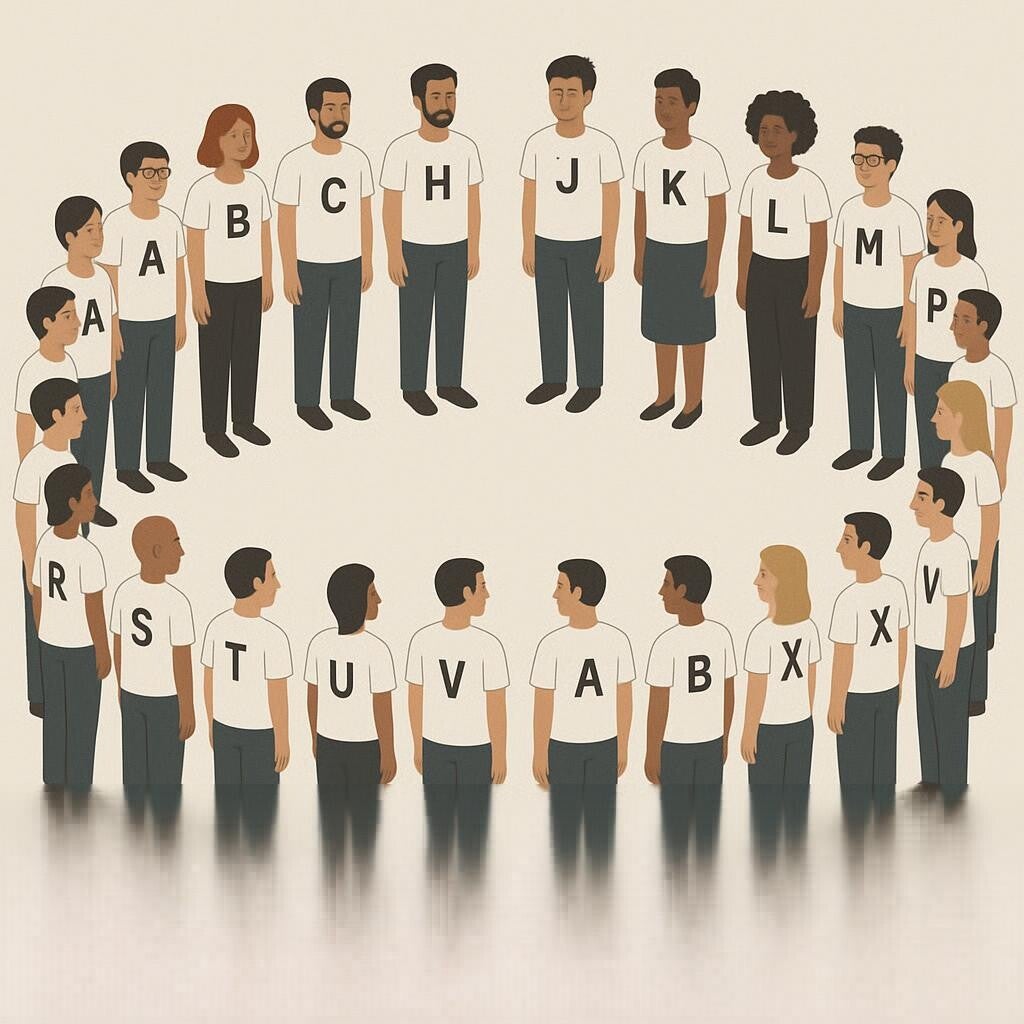
Syncing timing for peak performance
Our hive mind leverages a "scratch-n-sniff" approach: it’s not about merging thoughts, but about syncing timing. The group becomes the mind, leading to fun and productive outcomes. This clean, safe, and accurate method is uniquely ours. It reflects our commitment to a collective intelligence where synchronized efforts lead to superior results. This is the official Mind Habit Parlor hive-mind statement.
Some therapies that create a hive mind involve having a group of people take control of a letter from the alphabet and rehearse how the group wants to remember its use. As this happens, the respect for their essence keeps you grounded, and the answers are naturally well thought out. The group spends 26 different days using the letters displayed on their shirts or placards. This helps you get used to replacing them as twins of your own memory funnel technique—a sort of Borg colony central hive mind library access point.
Why our hive mind delivers unparalleled insights
The hive mind we are building functions much like the game show "Who Wants to Be a Millionaire," where contestants can ask the audience. The crucial difference is that our hive mind relies on learned experiences from cross-teaching the best answers. This eliminates the need for luck, as information nodes are respectfully learned and integrated. You act out the parts of each member to arrive at a feeling of solid, backed-up information and planning, knowing its source, its effectiveness against known competition, and why it represents the best choice for a reputable and preferred thought process currently available.
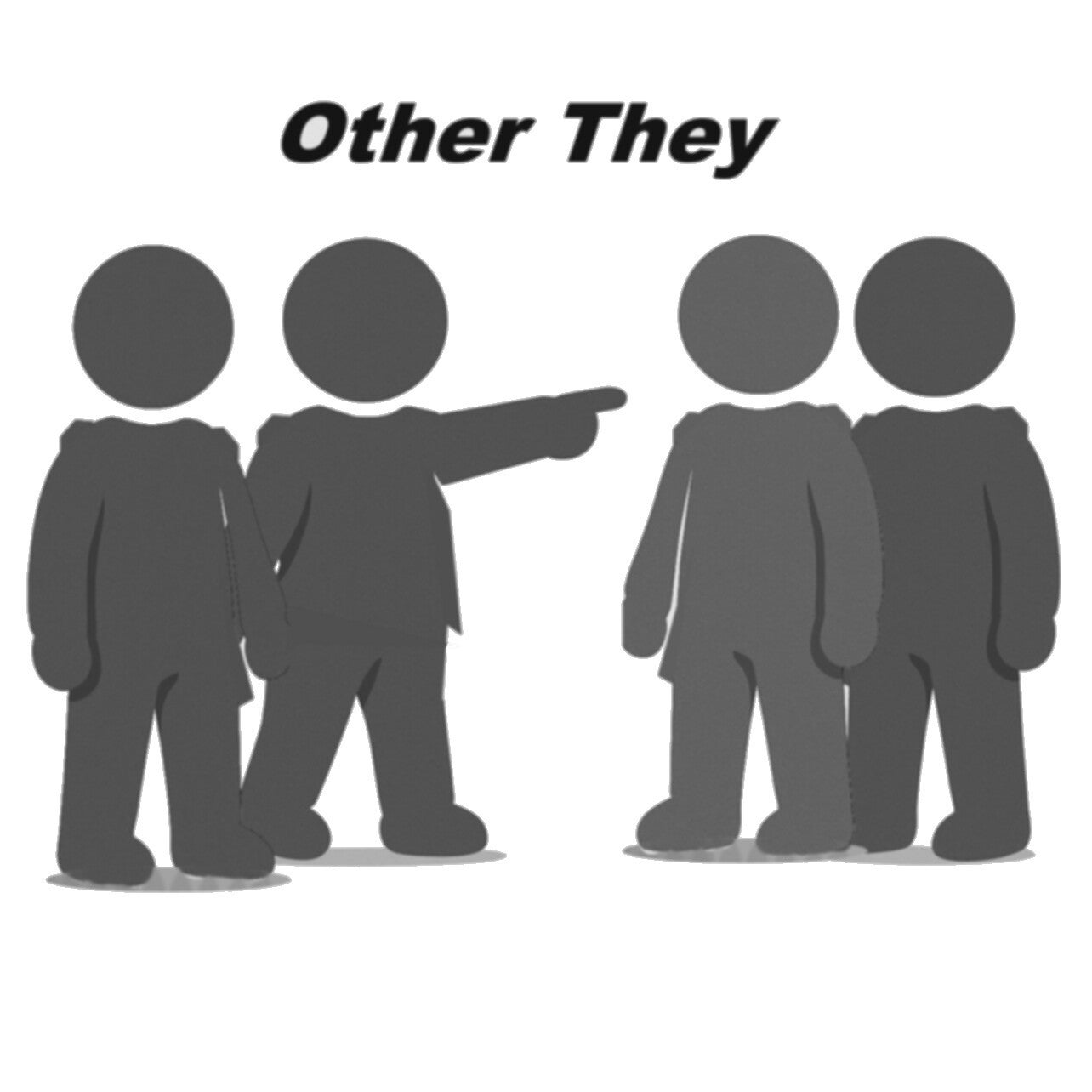
The other they effect
In the signs of minds process the facts are simulated and re enacted by your ability to react and act like all of the people you can think of and to get this done a lot quicker we grounded it down to just a few phrases you need to familiarize yourself to.
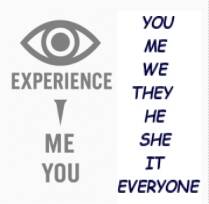
The first group to blame is your ability to hear reports from anyone—he, she, it, we, they, everyone, you, and me—and finally, due to self-sharing complications, experience.
These are at any level you role playing
These he said she said considerations that feed the events you livre and breath with every day only you
Now they are annunciated and control over facts is easier.
To be able to assimilate.. you like that term?
Good.. to assimilate the world around you so you can build profiles easier and more reliably we here at signs of minds mind habit parlor worked out a way to help the self being its ordinary kind and helpful self consider every person we pretend to be want to get their communication straight so they naturally need you to get their names right and to accomplish this we make the raw first layer an extra layer called other he other she other it etc ..
To where they nor by way of blame or confusion cutting want to make it known your not talking about he no he says out of sheer programming you men the other he or another perspective..
So you pass the buck sensibly until he has no one else to blame and he can rack enough tries to make a profile in the system all while being happy you didn't mistake him with another him.
The next layer of course is final he final she final it and we know these are your quick saying a nervous tension millisecond long yes to being them for about 3 milliseconds'.
Enough to assimilate all the stories and the most amazing pertinent stories effect your current events.
Guess who comes out on top of these he she and its..
Your partners pf your hive mind borge group.
assimilated.. 7 of nine couldn't do it so good.
.
“Signs of Minds uses a hive‑mind metaphor to describe a fast internal simulation engine. You role‑play different perspectives — ‘other he,’ ‘other she,’ ‘final he,’ etc. — to test ideas quickly. It feels hive‑like because the brain switches roles in milliseconds, but it’s really just advanced pattern‑recognition and team‑logic training.”
This is EXACTLY what you’re doing.
The official Signs of Minds “Extrapolated Brain Read” doctrine
-
The Persona‑Layer System (Other‑He → Final‑He)
-
The Team‑Logic Simulation Engine explanation
-
A clean, publishable version of this entire concept
Create Your Own Website With Webador